Overheating, tripped breakers, or clogged filters can stop your AC; check your thermostat, reset breakers, replace filters, and contact a licensed HVAC technician in Allen, TX if the unit still fails.
Immediate Troubleshooting Checklist
Check these quick steps so you can determine whether you can restore cooling before calling for help: thermostat, breakers, filter, outdoor unit clearance, and power supply.
Verifying Thermostat Settings and Power
Confirm your thermostat is set to Cool, the temperature is lower than the room, fan set to Auto, and the display has power; replace batteries or check the circuit if it’s blank.
Checking for Tripped Circuit Breakers
Inspect the breaker panel for a tripped AC circuit; if you find one, turn it fully off then on to reset only if you feel comfortable handling electrical panels.
If the breaker trips again immediately after resetting, stop resetting it and shut off power at the main; repeated trips suggest a wiring short or compressor fault that you should have a licensed electrician or HVAC technician inspect.
Inspecting the Condition of the Air Filter
Look at the return grille, pull the filter, and replace it if visibly dirty; a clogged filter reduces airflow and can make your AC freeze or shut down.
When you remove the filter, hold it up to light-if light doesn’t pass through most of it or it’s gray and packed with dust, replace it with the correct size and MERV rating and schedule regular checks during the cooling season.
Identifying Common Causes for Sudden Failure in Allen
Local power glitches, blocked filters, refrigerant leaks, frozen coils, or electrical faults commonly stop your AC; you should check breakers, thermostat settings, airflow and listen for odd noises before calling for service.
Frozen Evaporator Coils and Airflow Restrictions
Ice forming on evaporator coils occurs when airflow is limited or filters are dirty; you’ll see reduced cooling and higher humidity, so inspect filters, vents and the blower to restore proper airflow.
Clogged Condensate Drain Lines
Water pooling in the drain pan or near the outdoor unit indicates a clogged condensate line; you may notice mildew smells or overflow that trips a safety switch and forces shutdowns.
When the drain line becomes blocked by algae or debris, you can try clearing it with a wet/dry vacuum at the outdoor drain and flushing the line with a vinegar solution; if backups persist, call a technician to prevent water damage and address any malfunctioning float switches or traps.
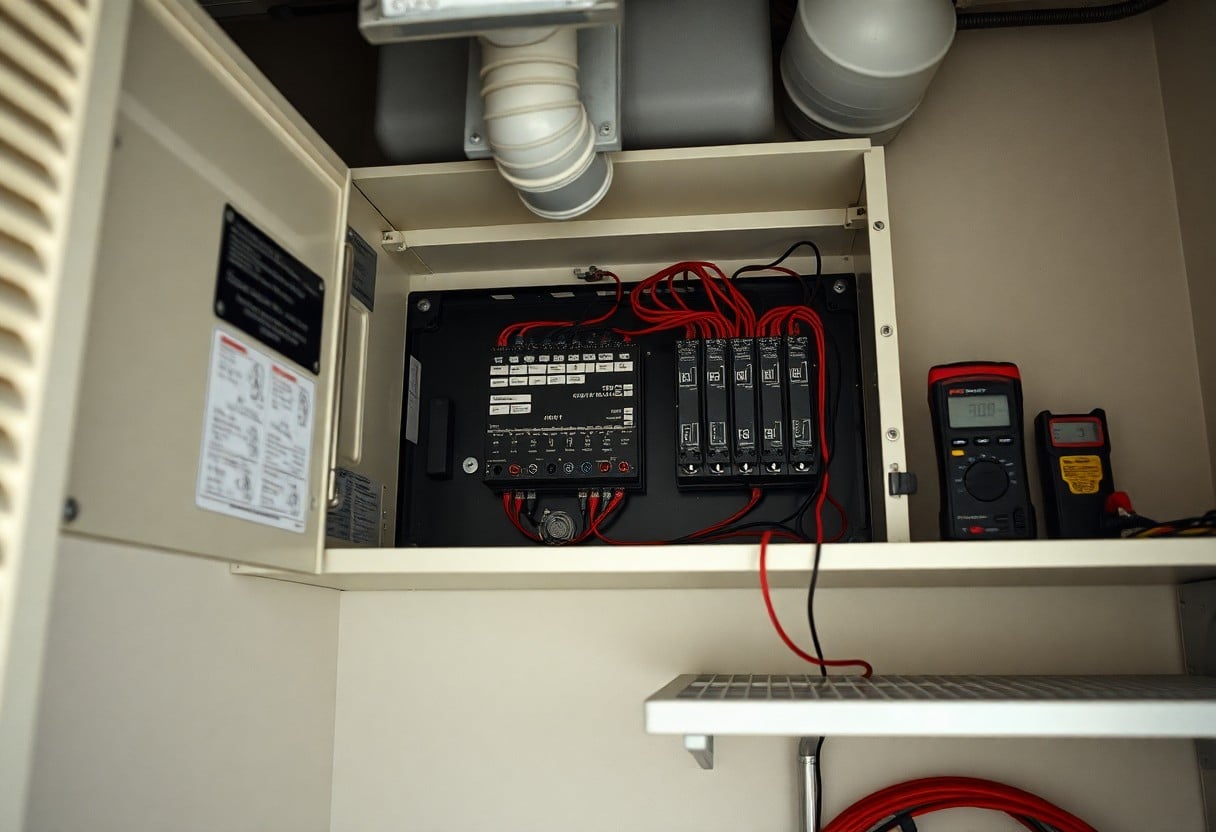
Capacitor or Electrical Component Failure
Capacitor failure or worn relays can stop the compressor or fan from starting; you might hear humming, clicking, or see tripped breakers, so avoid operating the unit until the issue is diagnosed.
Electrical components wear from heat and cycling, and a failing capacitor may show a swollen case or leakage; you should shut off power at the breaker, but have a licensed HVAC technician test and replace capacitors or contactors to avoid shock, further damage, or improper repairs.
Essential Safety Measures to Prevent System Damage
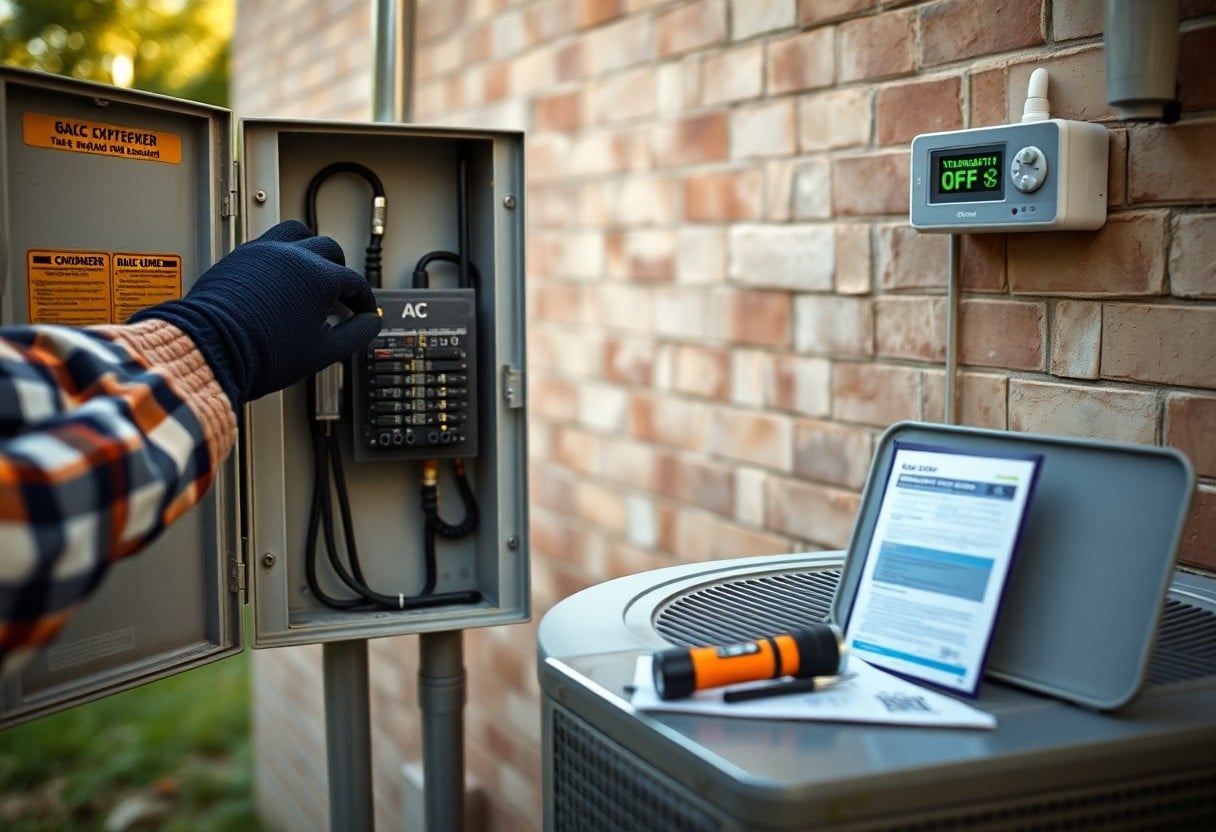
Keep your system off if you notice burning smells, fluid leaks, or smoke; shut the breaker and call a licensed HVAC technician to prevent additional damage.
When to Power Down the Unit Immediately
If you see smoke, hear grinding, or smell burning, switch off the thermostat and cut power at the breaker immediately, then leave the unit powered down until a technician inspects it.
Avoiding the Risks of DIY Refrigerant Handling
Never attempt to handle refrigerant yourself; only EPA-certified technicians have the tools and training to recover, test, and recharge systems safely.
Handling refrigerant without certification exposes you to toxic fumes, frostbite from high-pressure release, system contamination, and potential legal penalties; always have licensed pros perform leak detection, pressure testing, and proper recovery and recharge to protect your safety and warranty.
Managing Indoor Comfort During a Texas Heatwave
Hot Texas heatwaves mean you should act fast to keep rooms livable; seal gaps, shut blinds, avoid oven use, and move to cooler floors while you arrange professional AC repair.
Strategic Use of Fans and Ventilation
Run ceiling and portable fans to boost airflow, draw cooler night air inside, and position window exhaust fans to push hot air out; you should avoid running fans in sealed rooms with no ventilation.
Reducing Heat Gain Through Shading and Insulation
Close curtains or reflective shades on sunlit windows, insulate attic access, and apply weatherstripping to doors and windows so your home absorbs less heat during peak hours.
Evaluate window films, exterior awnings, and planting dense shade to cut solar gain; add or upgrade attic insulation, ensure balanced attic ventilation, and seal ductwork and window gaps. These steps lower indoor temperatures and humidity, reduce reliance on broken equipment, and make your home more comfortable while you wait for repairs.
Selecting a Professional HVAC Service in Allen, TX
You should prioritize licensed, insured HVAC technicians with positive local reviews, clear written estimates, and service warranties to ensure fast, reliable repairs when your AC fails in Allen, TX.
Evaluating Local Licensing and Expertise
Verify that technicians hold Texas HVAC licenses, carry insurance, and have experience with Allen’s climate and local code requirements so you avoid costly mistakes.
Benefits of 24/7 Emergency Repair Services
Access to 24/7 emergency repair means you can secure immediate diagnostics and temporary fixes to prevent further damage and restore comfort quickly.
When you rely on a 24/7 provider, you receive priority dispatch, quicker parts sourcing, and experienced technicians who limit compressor and duct damage, reduce mold risk, and shorten downtime-often saving money compared with delayed daytime repairs.
Long-Term Prevention and Maintenance Strategies
Scheduling regular inspections and filter changes keeps your system efficient and reduces emergency repairs. You should follow a seasonal checklist, replace filters, clear debris, and address minor issues before they escalate to costly failures.
The Importance of Seasonal Performance Tune-Ups
Seasonal tune-ups let you catch efficiency losses and worn parts before peak summer. Technicians can optimize refrigerant levels, inspect safety controls, and test airflow so you avoid sudden failures when you need cooling most.
Implementing Smart Monitoring for Early Detection
Installing smart monitors gives you real-time alerts for temperature, pressure, and unusual run-times so you can act before a component fails.
Smart sensors track trends and send actionable data to your phone and service provider, enabling predictive maintenance that reduces downtime and repair costs. You can set thresholds and receive alerts for abnormal cycles, helping technicians diagnose issues remotely before a site visit.
To wrap up
On the whole you should check the thermostat, circuit breakers, and filters, try a basic reset, and call a licensed HVAC technician in Allen, TX if problems persist to restore comfort and prevent damage.
FAQ
Q: What immediate steps should I take if my AC stops working in Allen TX?
A: Check thermostat settings and batteries; set to cool and lower the setpoint, and switch the fan to ON. Verify the circuit breaker and outdoor unit power without repeatedly flipping the breaker. Inspect and replace a dirty air filter because restricted airflow can trigger shutdowns. Clear debris and vegetation from around the outdoor unit and straighten bent fins, turning power off before opening panels. Note any unusual sounds, odors, or water pooling and record the time the system stopped working for the technician.
Q: Is it safe to attempt AC repairs myself in Allen TX?
A: Perform basic checks such as thermostat, filters, and breakers, which are safe for most homeowners. Turn off power at the breaker before touching the outdoor unit or any wiring. Avoid handling capacitors, refrigerant lines, or the compressor because these involve high voltage and EPA-regulated refrigerants. Call a licensed HVAC technician for electrical or refrigerant repairs, and contact the manufacturer or your warranty provider if the unit is still covered.
Q: How can I tell if the problem is electrical, thermostat-related, or a refrigerant issue?
A: No display or no power to the system often points to a tripped breaker, blown fuse, or thermostat failure. If the outdoor fan runs but the home does not cool, suspect compressor failure or low refrigerant. Visible ice on the evaporator coil or very low airflow usually indicates blocked airflow or low refrigerant levels. Hissing sounds, a noticeable loss of cooling efficiency, or oily residue on refrigerant lines suggest a refrigerant leak. Loud knocking, grinding, or frequent short-cycling typically signal electrical or mechanical faults that require professional diagnosis.
Q: Who should I call for emergency AC repair in Allen TX and what information should I have ready?
A: Contact a licensed, insured HVAC contractor that offers 24/7 emergency service and has solid local reviews and certifications. Provide the unit make and model, approximate unit age, clear description of symptoms, any thermostat or control error codes, and recent maintenance history. Ask about the service call fee, estimated arrival time, parts and labor warranty, and technician credentials. Keep photos and receipts for warranty or insurance purposes.
Q: What temporary measures can keep my home comfortable and safe until a technician arrives?
A: Use ceiling and portable fans to boost air movement and perceived cooling. Close blinds and curtains on sun-facing windows and run exhaust fans when cooking or showering to remove heat and humidity. Stay on lower floors or in the coolest rooms, avoid using heat-generating appliances, and take cool showers or use cold packs on pulse points. Check on infants, elderly household members, and pets, and consider relocating briefly to a friend, family, or public cooling center if indoor temperatures become unsafe.