It’s your cue to call a licensed technician when you notice frequent breaker trips, flickering lights, buzzing noises, burning smells, or warm air from vents, as these warning signs indicate AC electrical issues that can pose safety hazards and reduce system lifespan.
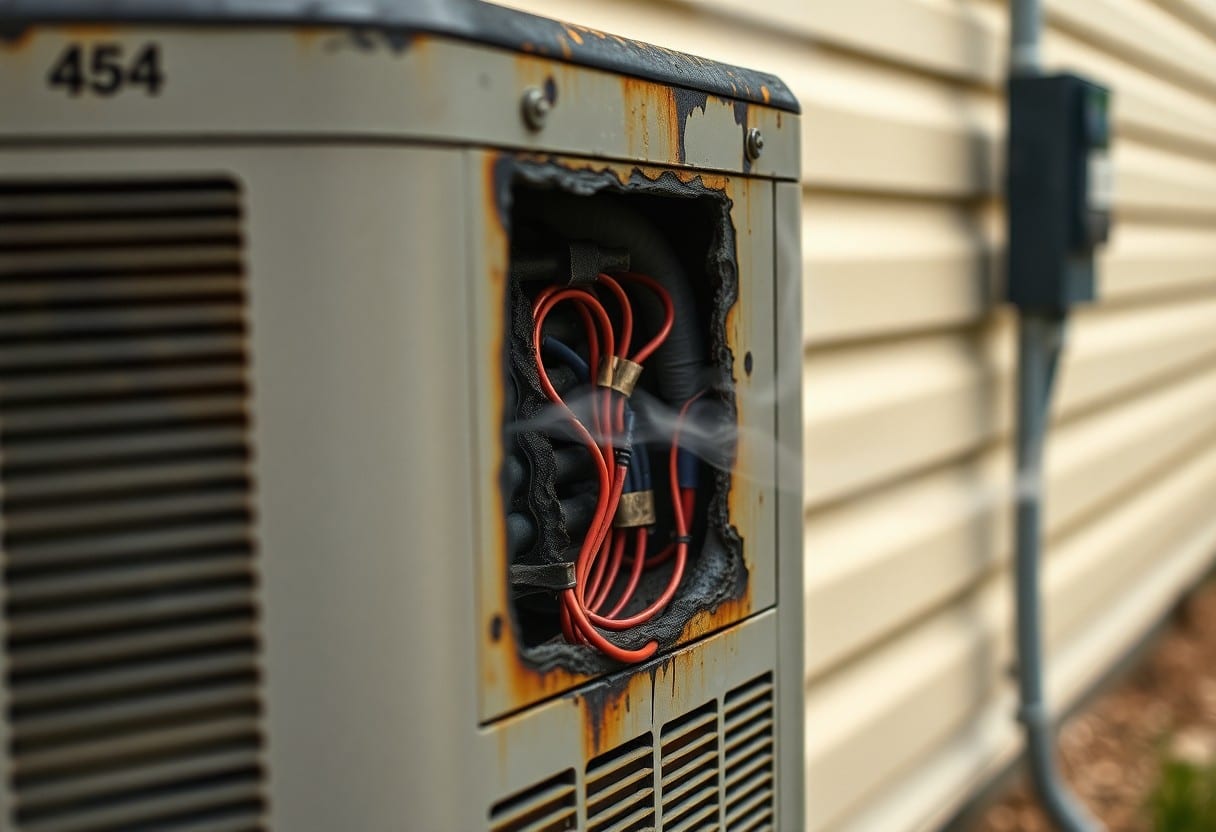
Unusual Sounds and Burning Odors
Listen for grinding, buzzing, or crackling from your AC; a burning or chemical odor signals electrical trouble and should prompt you to shut the unit off and call a licensed technician.
Identifying Electrical Arcing and Buzzing Noises
Detecting arcing or a persistent buzzing indicates loose connections or failing components and means you must stop use and have a qualified electrician inspect the system immediately.
Recognizing the Scent of Overheated Wiring Insulation
Smell of burning plastic, rubber, or ozone from the AC points to overheated wiring insulation and requires you to power down and seek emergency electrical service.
If you detect a faint acrid or sharp chemical odor, shut off power at the breaker, avoid operating the unit, and ventilate the area. You should not touch wiring or terminals; exposed components can injure you. Causes often include overloaded circuits, loose connections, failed capacitors, or damaged insulation – a licensed HVAC electrician can locate hotspots, replace burned wiring, and verify circuit protection to reduce fire risk.
Frequent Circuit Breaker Trips
Repeated breaker trips indicate your AC is drawing more current than the circuit can handle; this causes interruptions, potential overheating, and damaged components-call a licensed electrician to inspect the wiring and the unit.
Causes of Electrical Overload in McKinney AC Systems
Older or undersized wiring, failing capacitors, shorted motors, and added home loads can push your AC beyond its circuit capacity, triggering frequent trips.
The Dangers of Repeatedly Resetting the Breaker
Resetting the breaker repeatedly masks underlying faults and increases your risk of wiring damage, component failure, and electrical fires-stop resetting and have a professional evaluate the issue.
Your continued resets erode breaker contacts, mask overheating, and accelerate component wear, which increases the likelihood of arcing and electrical fires; have a qualified electrician diagnose and repair the root cause immediately.
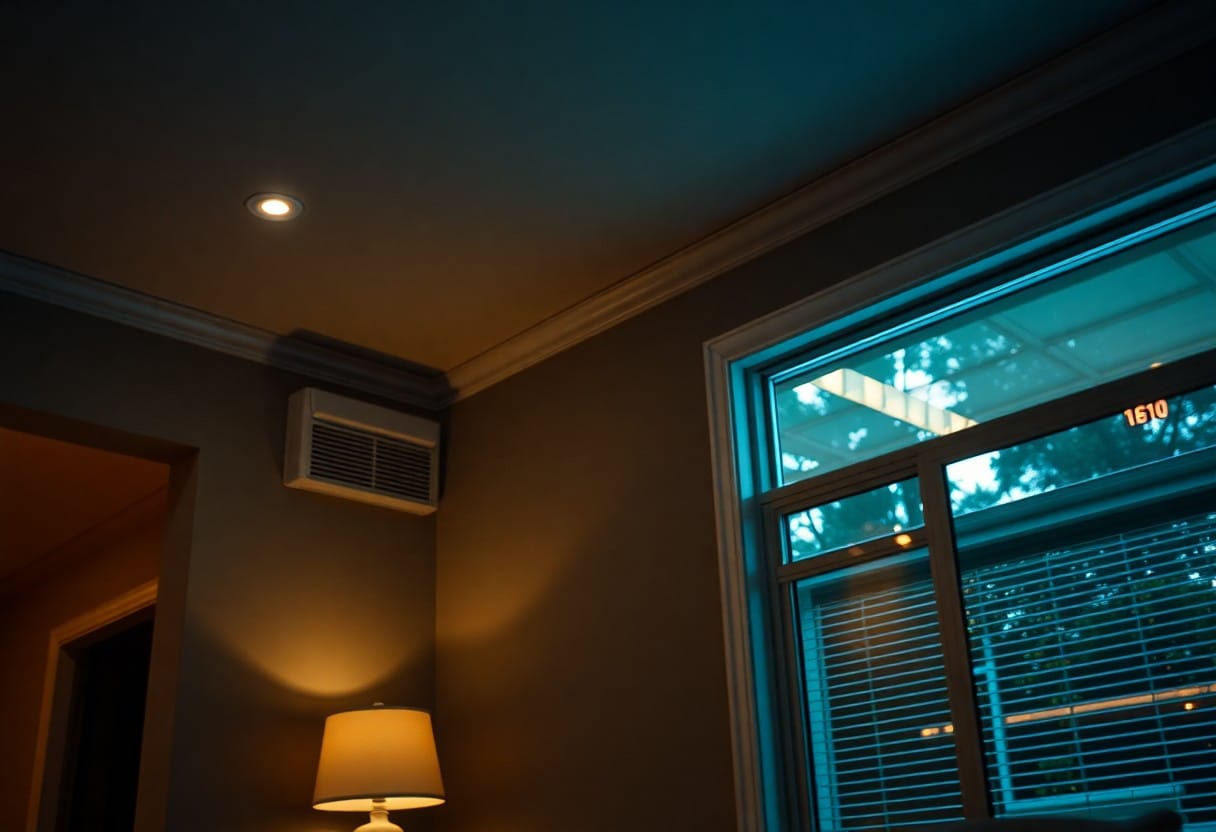
Flickering Lights During Unit Startup
Lights may flicker briefly when your AC starts, signaling a heavy startup draw that pulls voltage down across the circuit and can affect other fixtures. If flickering is pronounced or persistent, you should investigate electrical causes rather than dismissing it as normal startup behavior.
Understanding Voltage Drops and Power Surges
Voltage drops during startup can dim lights and shorten component life; you should note whether dimming coincides with compressor engagement and log frequency to aid diagnosis.
Assessing the Integrity of the Dedicated AC Circuit
Check the dedicated AC circuit for loose connections, improper gauge wiring, or a tripped breaker; you should verify the AC isn’t sharing a circuit, which can cause overloads and flickering when the unit starts.
Inspect connections, terminals, and the breaker panel for heat discoloration or loose screws, and use a clamp meter to measure startup amperage against the compressor’s locked-rotor amperage on the nameplate; if readings exceed breaker capacity or you detect arcing or melted insulation, hire a licensed electrician to repair or upgrade the circuit.
Visible Damage to Wiring and Components
Visual signs like exposed insulation, loose connections, or broken components indicate you should shut off power and call a licensed electrician to prevent fire or system failure.
Frayed Wires and Rodent Damage Common in Texas Homes
Frayed wires and rodent chew marks often appear in attics or crawlspaces, and you should watch for exposed conductors, nesting materials, or droppings near AC wiring.
Scorch Marks and Corroded Electrical Connections
Scorch marks and corroded terminals signal overheating; you should avoid touching them and schedule immediate professional inspection to prevent shorts or fires.
Heat-related discoloration, melted insulation, or greenish corrosion on terminals often stem from loose connections, overloaded circuits, or moisture intrusion, so you should have an electrician test voltage, tighten connections, and replace compromised parts to restore safe operation.
Inconsistent Cooling and Short Cycling
You may notice uneven room temperatures or the system cycling on and off frequently, indicating electrical faults that affect compressor or fan operation.
Electrical Failure in Capacitors and Contactors
Capacitor or contactor failure can cause humming, burning smells, or the AC refusing to start; you should shut off power and call a technician.
Thermostat Wiring Faults and Signal Interference
Thermostat wiring faults and interference can make the system ignore your temperature settings, causing erratic cycles or no response when you adjust the thermostat.
Check thermostat wiring for loose, corroded, or damaged connections, verify the common (C) wire and grounding, and watch for wireless interference from nearby devices; you may see false readings, delayed signals, or total loss of control, so have a licensed technician test voltage and communication lines safely.
The Importance of Professional Electrical Diagnostics
Professional electrical diagnostics reveal hidden faults, confirm correct voltage and wiring, and prevent hazardous failures so you avoid costly repairs and unsafe operation of your AC system.
Safety Risks of DIY AC Electrical Repairs
Attempting DIY repairs exposes you to electrocution, arc faults, and wiring mistakes that can start fires, void warranties, and cause expensive compressor or control board damage.
Benefits of Annual Inspections for McKinney Homeowners
Annual inspections catch loose connections, failing capacitors, refrigerant leaks, and airflow issues early so you preserve efficiency, reduce energy bills, and extend your system’s lifespan.
During an inspection a licensed electrician tests voltages, tightens terminals, measures amperage, inspects capacitors and contactors, checks thermostat accuracy, cleans coils, and verifies safety controls and local code compliance so you can schedule timely repairs and avoid emergency replacements.
Conclusion
Taking this into account, you should watch for tripped breakers, frequent short-cycling, burning smells, warm vents, or unusual noises; these signs indicate possible AC electrical issues in McKinney, TX, and you should contact a licensed HVAC electrician promptly to diagnose and repair the system.
FAQ
Q: What are the most common electrical warning signs that my AC needs attention in McKinney TX?
A: Signs of electrical issues include frequent circuit breaker trips, burning or ozone smells near the indoor unit, and visible sparking at wire connections. Buzzing, humming, or repeated clicking from the outdoor condenser or indoor air handler often indicates failing capacitors, contactors, or loose wiring. Flickering or dimming lights when the compressor starts, unusually high electric bills, and the AC blowing warm air despite normal fan operation are other common red flags.
Q: Why does the circuit breaker trip whenever the AC runs?
A: Circuit breakers that trip when the AC runs usually signal an overloaded circuit, a short, or a component drawing excessive amperage during startup. Loose or corroded connections and a failing compressor or capacitor are common culprits and increase fire risk. Turn off the AC at the thermostat and breaker, avoid repeatedly resetting the breaker, and call a licensed HVAC electrician in McKinney for diagnosis and repair.
Q: What should I do if I smell burning or see smoke coming from the AC?
A: A burning smell coming from vents or the outdoor unit can mean overheated wiring, a failing motor, or burnt insulation. Visible smoke, hot metal, or the smell of melting plastic requires immediate shutdown at the breaker and evacuation if needed. Contact emergency HVAC or electrical services in McKinney; do not attempt to open the unit or touch wiring.
Q: Are flickering lights or dimming when the AC kicks on a sign of an electrical problem?
A: Lights that dim or flicker when the AC compressor starts point to voltage drop, loose connections, or an oversized startup load. Chronic voltage fluctuations can damage appliances and the AC’s control board, so have a licensed electrician check panel connections and voltage under load. Repairing loose terminals or upgrading the service may be necessary to protect the system.
Q: When should I schedule a professional electrical inspection for my AC in McKinney TX?
A: Schedule a professional inspection when any warning sign appears, after storms, after unusual electrical behavior, or before the summer heat arrives. Annual electrical and HVAC maintenance is recommended for homes in McKinney to catch worn wiring, failing capacitors, and unsafe connections early. Choose licensed, insured technicians who perform electrical load testing, contactor and capacitor checks, and a safety inspection of the outdoor condenser and indoor air handler.